BMI Calculator

Calculate your Body Mass Index using the WHO standard. Supports metric (kg/cm) and imperial (lb/ft+in).

Metric & ImperialWHO Standard
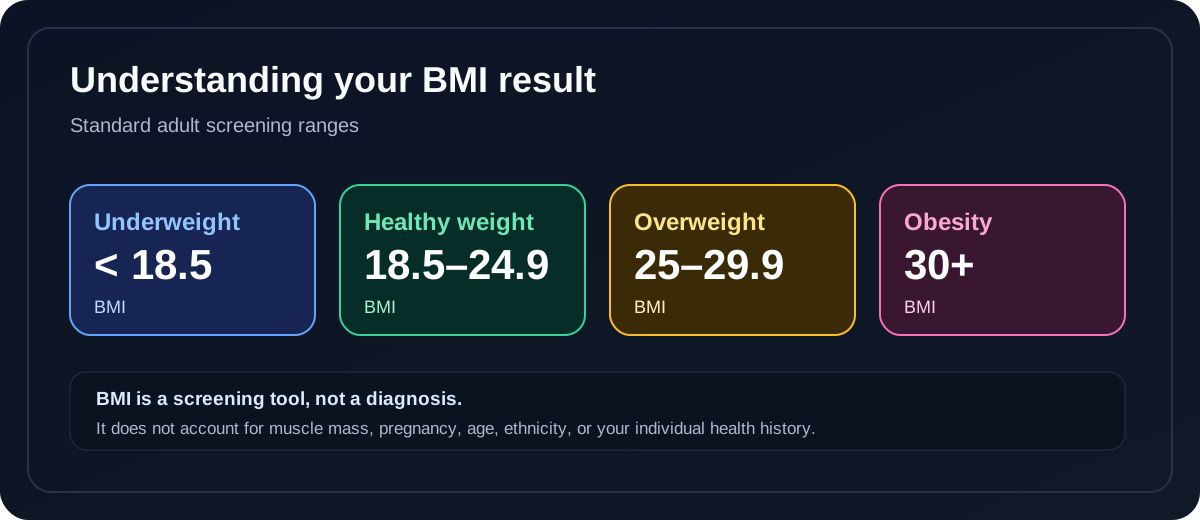
BMI range guide showing underweight below 18.5, healthy weight 18.5 to 24.9, overweight 25 to 29.9, and obesity 30 and above
Use the chart as a quick reference for the calculator result. BMI is a screening measure and does not account for factors such as muscle mass, pregnancy, age, ethnicity, or individual health history.

How to use this calculator

Enter height and weight, choose metric or imperial units, then calculate to see the BMI value and the range it falls within.

Useful real-world examples

  • Checking an adult BMI from metric or imperial measurements.
  • Seeing how a change in weight would move the BMI result while height stays the same.

Important detail

BMI does not measure body fat, muscle mass or fat distribution, so athletic builds and some population groups may be poorly represented.

Frequently Asked Questions

WHO classifies BMI 18.5–24.9 as healthy weight. Under 18.5 is underweight, 25–29.9 is overweight, 30+ is obese.

BMI is a useful screening tool but does not account for muscle mass, age, or ethnicity. Consult a doctor for a full health assessment.

You can switch between metric (kg, cm) and imperial (lbs, ft/in) using the toggle above.

How BMI is calculated

For metric measurements, BMI is weight in kilograms divided by height in metres squared. For imperial measurements, the calculator converts pounds, feet and inches to the same metric formula before displaying the result. The category bands shown here follow the standard adult WHO screening ranges.

BMI range guide

Below 18.5
Underweight
18.5–24.9
Healthy weight
25.0–29.9
Overweight
30 or above
Obese range

Worked BMI example

A person who weighs 70 kg and is 175 cm tall has a BMI of 70 ÷ (1.75 × 1.75) = 22.9. That falls within the standard adult healthy-weight screening range. At 175 cm, the calculator also shows an indicative healthy-weight range of about 56.7–76.3 kg.

When BMI needs more context

BMI does not measure body fat directly or distinguish muscle from fat. Pregnancy, childhood, older age, high muscle mass and some health conditions can make the standard adult categories less useful. Treat the number as a screening prompt rather than a diagnosis, and discuss weight or health concerns with a qualified clinician.

Privacy and accuracy

Your height and weight are calculated in the browser and are not submitted to MyCalcTools. Recheck the selected unit and measurement values if a result looks unexpected; mixing centimetres with metres or pounds with kilograms produces a misleading answer.