Concrete Calculator
Calculate concrete volume and number of premix bags needed for slabs, posts and footings.
Slabs & PostsAU Measurements
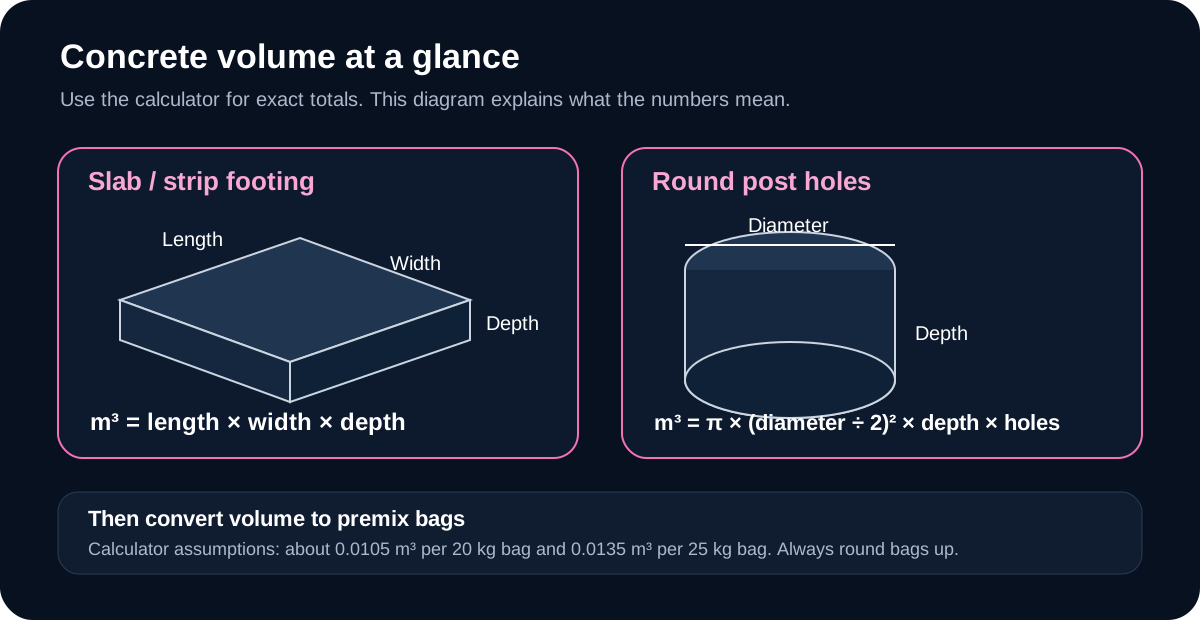
Calculate concrete volume and number of premix bags needed for slabs, posts and footings.
Concrete is ordered by volume, so the calculator converts the dimensions of the selected slab, footing or post hole into cubic metres. For a simple rectangular slab the core calculation is length × width × thickness. For a round post hole it uses the volume of a cylinder and multiplies that by the number of posts.
Excavations are rarely perfectly square, ground levels vary and some concrete remains in chutes, pumps or tools. This calculator shows the measured geometric volume, so add an appropriate waste margin yourself when planning an order. Measure the actual excavation in several places if dimensions vary. For structural slabs, footings or engineered work, use the dimensions and concrete specification on the approved drawings and confirm the order quantity with the builder, engineer or concrete supplier before the pour.
The displayed 20 kg and 25 kg bag counts use approximate yield assumptions and should be checked against the yield printed on the premix product you intend to buy. The cost figure is only a rough comparison using a $250 per cubic metre planning allowance, not a supplier quote. Delivery fees, minimum-load charges, pump hire and local material prices can change the real cost substantially.
Choose slab or strip footing, or a round post hole, enter the dimensions in metres and the number of post holes if relevant, then calculate volume and approximate premix bag counts.
Site shape, excavation tolerance, waste and uneven ground can increase the amount actually required.